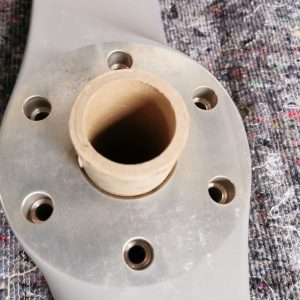
The Sensenich Propeller – P/N 74DM6-0-60
The Sensenich Propeller P/N 74DM6-0-60, Sensenich 74DM6 Propeller, and 74DM6-0-60 Aircraft Propeller descriptions identify closely related searches for this specific aviation component.
A Sensenich Fixed-Pitch Propeller may also be categorized as a Sensenich Aluminum Propeller or Fixed-Pitch Aluminum Propeller when the exact material and configuration are confirmed.
The 74-Inch Aircraft Propeller, 60-Inch Pitch Propeller, Lycoming O-320 Propeller, and General Aviation Propeller keywords represent common dimensional, engine, and application searches associated with the model.
A Two-Blade Aircraft Propeller should be treated as one matched rotating assembly, while a Sensenich Aircraft Propeller should be identified through verified manufacturer markings.
Reviewing P/N 74DM6-0-60 Markings
Complete identification reduces unsuitable purchases and gives maintenance professionals the information required for further review.
The buyer should determine whether the propeller remains in its original manufactured configuration or has undergone any pitch adjustment, diameter reduction, refinishing, inspection, trial fitting, repair, or alteration.
Understanding New-Old-Stock Propeller Status
Transparent history helps buyers understand the difference between unused status and current installation readiness.
A never-installed statement may be supported by the absence of operational erosion, mounting impressions, spinner contact, read more bolt marks, and documented operating time.
Evaluating General Aviation Propeller Requirements
Its practical performance depends on blade design, diameter, pitch, engine power, maximum RPM, airframe configuration, aircraft weight, altitude, temperature, and installation condition.
The pitch configuration affects engine RPM, acceleration, climb characteristics, cruise behavior, and overall loading.
Inspecting the Sensenich Aluminum Propeller
Even a new and never-installed propeller should be checked for handling marks, coating defects, scratches, dents, and environmental exposure.
Factory paint and protective coating should be checked for lifting, bubbling, scratches, abrasions, discoloration, and exposed metal.
Avoiding Unverified Propeller Size Claims
The 74-inch diameter description should be confirmed through the complete model designation, manufacturer data, available records, and suitable physical measurement.
Blade-tip shape, symmetry, and previous alteration can influence measurement accuracy.
Documenting the Propeller Configuration
The seller should not guarantee specific performance based only on the pitch designation.
Both blades should maintain suitable pitch consistency, contour, and dimensional symmetry.
Matching the Propeller to the Correct Engine
The buyer should review current approved installation information before purchasing or mounting the propeller.
The engine and propeller combination must remain within applicable RPM and power limitations.
Maintaining Blade Symmetry and Balance
A Two-Blade Aircraft Propeller should be evaluated as a complete matched assembly rather than as two independent blade components.
Unexplained grinding, drilling, filing, material removal, or attached weights should receive professional review.
Evaluating Mounting Holes and Surfaces
A genuinely never-installed propeller should not show unexplained fretting, bolt loading, or flange-contact patterns.
Professional hardware selection protects the engine and Replacement Aircraft Propeller.
Leading-Edge and Blade-Surface Inspection
Blade faces and backs should be examined for pressure marks, stains, chemical exposure, paint defects, surface distortion, and trapped contamination.
Detailed surface review helps support the claimed new condition.
Preserving an Unused Aircraft Propeller
Discoloration, white residue, paint bubbling, coating separation, staining, or pitting should be evaluated instead of dismissed automatically as cosmetic.
The factory finish should remain protected from abrasive materials, harsh cleaners, adhesives, chemical vapors, and trapped moisture.
Separating Certification from Current Condition
The Certified Aircraft Propeller description generally refers to a propeller design manufactured under applicable approved production and certification standards.
Organized records strengthen the commercial value of the Certified Aircraft Propeller.
Reviewing Purchase and Storage Records
Reliable traceability improves professional buyer confidence.
Available records may include factory paperwork, conformity documents, release certificates, storage records, purchase invoices, inspection reports, and aircraft-project information.
Pre-Purchase Inspection Checklist
Detailed review reduces unsuitable purchases and unexpected inspection costs.
- Resolve identity, applicability, dimensions, condition, and package-completeness questions before payment.
- Confirm the manufacture or purchase date, storage duration, environmental conditions, preservation method, ownership history, and absence of operating time.
- Confirm the sales invoice, payment protection, packaging method, freight insurance, inspection period, return terms, and stated propeller condition.
Protecting a New Two-Blade Propeller in Transit
Moisture-resistant wrapping may be appropriate when it does not trap condensation against the aluminum.
Careful freight preparation reduces damage risk to the Sensenich Aircraft Propeller.
Maintaining Packaging and Identification
The propeller should not be placed where tools, vehicles, machinery, or personnel can strike it.
Identification labels, serial records, release documents, and included hardware should remain associated with the correct propeller.
Completing the Propeller and Spinner Assembly
Installation should be completed by appropriately qualified aviation maintenance personnel using applicable aircraft, engine, propeller, spinner, and hardware information.
Disciplined installation supports dependable Two-Blade Aircraft Propeller operation.
Authorized personnel should complete all required maintenance records and return-to-service actions.
Routine Sensenich Propeller Maintenance
Consistent maintenance protects the Sensenich Fixed-Pitch Propeller.
The propeller should receive additional inspection after a suspected strike, sudden engine stoppage, overspeed, severe vibration, loose installation, lightning-related concern, or transportation impact.
Replacement Propeller Ownership Costs
The commercial value of a new Sensenich propeller depends on exact identification, serial number, manufacturing date, storage history, dimensional conformity, factory finish, inspection status, traceability, and included accessories.
The lowest advertised price may not represent the lowest installed cost when hardware, records, or compatibility information are incomplete.
Buying a Fixed-Pitch Aluminum Propeller
New, Never Installed can provide valuable replacement, restoration, new-construction, engine-installation, inventory, or resale potential when its identity, dimensions, storage history, condition, and applicability are verified.
Buyers should request current photographs, exact dimensional information, transparent condition disclosures, inspection details, protected freight arrangements, secure payment terms, and qualified propeller review.
Whether buyers need a Sensenich Fixed-Pitch Propeller, Sensenich Aluminum Propeller, Fixed-Pitch Aluminum Propeller, or Aluminum Aircraft Propeller, current condition and dimensional conformity should be verified.
With prompt attention to scratches, coating damage, corrosion, vibration, loose hardware, spinner concerns, impact events, and environmental exposure, the installation can preserve its operating potential.